If you run a cannabis business — whether you’re selling clones, CBD oils, edibles, or accessories — you’ve probably asked yourself: Why does one competitor keep showing up at the top of Google while I’m buried on page three?
The truth? Google doesn’t “pick favorites” randomly. It follows a sophisticated set of signals, quality checks, and user intent matching that decides exactly who earns that prized #1 spot — even in a highly restricted industry like cannabis.
This blog will break down how Google’s ranking system really works for cannabis businesses, the industry-specific challenges you face, and the steps you can take today to start climbing the ranks.
1. Why Ranking in Cannabis is Different from Other Industries
The cannabis niche is a high-regulation, high-competition market. While a bakery or local plumber can freely advertise and run Google Ads, cannabis brands face:
- Ad Restrictions – Google Ads and Meta Ads ban most cannabis-related promotions (including clones, seeds, THC products).
- State/Province Compliance Issues – Search visibility often depends on your legal operating location.
- E-E-A-T Pressure – Google applies stricter “Expertise, Experience, Authoritativeness, Trustworthiness” checks for YMYL (“Your Money or Your Life”) industries — and cannabis falls under this.
In short, your cannabis site can’t just rely on quick hacks or paid ads. Organic SEO is your lifeline — and you have to earn it the hard way.
2. The Core Signals Google Uses to Decide Who Ranks #1
While Google keeps its algorithm secret, years of industry-specific SEO analysis reveal that cannabis sites are ranked based on three big categories:
A. Relevance to Search Intent
If someone searches “buy cannabis clones in Canada”, Google doesn’t just look for pages that mention the words — it looks for:
- Pages specifically selling clones in Canada (not just talking about them).
- Content that answers implied questions (availability, legality, strains, pricing).
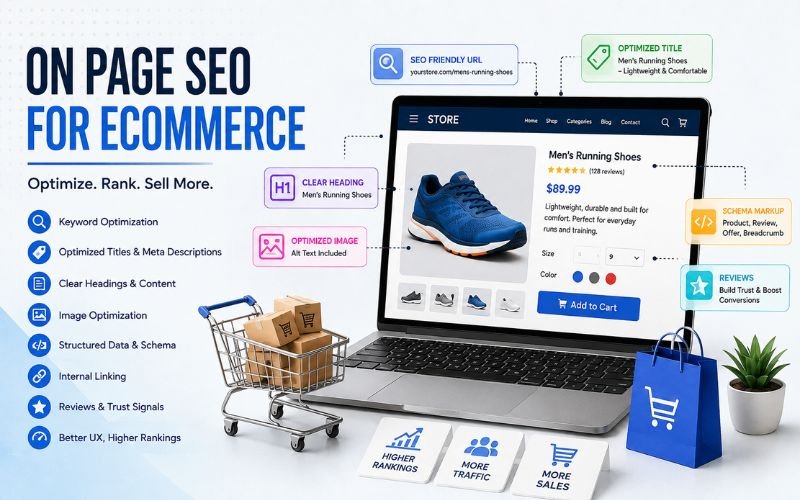
- Keywords in strategic places — title tags, meta descriptions, H1 headings, and body content.
If your page is too generic, or if it talks about cannabis in a different context, you’ll lose to competitors who have laser-focused, intent-matched content.
B. Authority & Trust Signals
Google wants to avoid recommending shady or unverified cannabis businesses. It looks for signs you are legit and trustworthy, such as:
- Backlinks from credible cannabis or local business sites — news features, niche directories, respected cannabis blogs.
- Brand mentions in reputable industry publications.
- Positive reviews on local listings (Google Business Profile, Weedmaps, Leafly).
- Consistent NAP (Name, Address, Phone) across the web.
Think of this as your industry reputation score. Without it, even well-written content struggles to rank.
C. User Experience & Engagement
Google uses behavioural data to measure if your site actually satisfies visitors:
- Do users click your result when it appears? (Click-through rate)
- Do they stay and read or bounce away in seconds?
- Is your site mobile-friendly, fast, and easy to navigate?
- Are there clear next steps like “Order Now” or “Contact Us”?
If visitors find your site clunky, outdated, or confusing, Google’s AI detects that and pushes you down.
3. Content Depth is a Ranking Game-Changer in Cannabis SEO
In cannabis SEO, thin content is your biggest enemy. You can’t just write “We sell cannabis clones” and expect to rank.
Instead, your pages should:
- Explain what you offer (strains, genetics, growing conditions).
- Address legal questions (province-specific rules, shipping restrictions).
- Provide value-added information (growing tips, strain comparisons, care guides).
- Include clear media (original photos, videos, infographics).
Example: If you’re targeting “Island Pink clones Canada”, don’t just list the strain — talk about its THC profile, yield, flowering time, ideal growing environment, and where it thrives best in Canada.
The more complete and helpful your content is, the more Google considers you the “final answer” worth ranking.
4. Local SEO Power Plays for Cannabis Businesses
Because cannabis sales are regulated geographically, local SEO is critical. Here’s what moves the needle:
- Google Business Profile Optimization – Accurate categories, product photos, updated hours, keyword-rich descriptions.
- Local Keyword Targeting – Instead of just “buy cannabis clones,” use “buy cannabis clones in Toronto” or “British Columbia cannabis clones delivery.”
- Local Citations – Appear in niche directories like Weedmaps, Leafly, and local chamber of commerce sites.
- Customer Reviews – High volume of 4-5 star ratings with location mentions.
This is especially important if you’re in Canada, where cannabis retail rules differ by province.
5. Avoiding SEO Traps in the Cannabis Space
A lot of cannabis sites fail because they unknowingly trigger Google’s red flags, such as:
- Duplicate Content – Copying strain descriptions from seed banks or manufacturer sites.
- Over-Optimized Text – Stuffing keywords like “buy cannabis online Canada” 30 times.
- Slow Sites – Heavy images and bad hosting slow you down, especially on mobile.
- Unverified Claims – Health or medical claims without credible references can tank your trust score.
If you want Google’s trust, your site has to play by the rules while still selling effectively.
6. How to Outrank Competitors Step-by-Step
Here’s a simple but effective cannabis SEO action plan:
- Identify Buyer Intent Keywords – Use terms that real buyers use (“high-yield clones in Canada,” “pest-resistant cannabis strains”).
- Audit & Optimize Your Pages – Make sure your target keyword appears naturally in the title, URL, headings, and first 100 words.
- Build Cannabis-Relevant Backlinks – Write guest posts for cannabis blogs, collaborate with influencers, get listed in niche directories.
- Improve User Experience – Compress images, speed up your site, make it mobile-perfect.
- Update Content Regularly – Google prefers fresh, relevant info in fast-changing industries like cannabis.
7. The Future of Google Rankings in Cannabis
Google’s AI algorithms are evolving to better understand buyer intent, compliance, and expertise. That means:
- Generic cannabis sites will fade, while specialized, compliant, helpful sites rise.
- Video content (strain reviews, grow guides) will gain more ranking weight.
- E-E-A-T factors will get even stricter, requiring proof of real-world expertise.
The sooner you start building your brand as a trusted cannabis authority, the harder it will be for competitors to push you down later.
Final Takeaway: Winning Google’s #1 Spot is About Intent + Authority + Experience
If you want to dominate Google rankings in the cannabis industry, stop chasing shortcuts. Instead, focus on:
- Matching search intent perfectly.
- Building a credible, authoritative brand presence.
- Delivering an exceptional user experience every time.
It’s not about tricking Google — it’s about earning trust and proving you’re the best answer.
Your Next Step
If you’re serious about ranking #1 for your cannabis business, you need an SEO strategy tailored for the industry’s unique challenges and restrictions.
📞 Let’s make it happen.
Contact Us Today for a Cannabis SEO Service and see exactly what’s holding you back — and how to fix it before your competitors do.
Hire a professional cannabis SEO agency that delivers powerful results at very affordable prices, without compromising on quality. Our expert team specializes in boosting visibility for cannabis businesses, navigating strict industry regulations, and driving targeted traffic that converts. With 24/7 dedicated support, you’ll always have a trusted partner ready to optimize your site, improve your rankings, and help you dominate search results. Whether you sell clones, CBD, or other cannabis products, we provide customized strategies that fit your budget and goals — so you can grow your brand while we handle the technical work.