
Running an eCommerce store is not just about listing products and waiting for customers to arrive. Without a solid SEO foundation, even the best products can remain invisible. Many store owners unknowingly make critical SEO mistakes that directly impact traffic, conversions, and revenue.
In this guide, we’ll break down the most common eCommerce SEO mistakes and how to fix them so your store can attract the right audience and convert them into buyers.
1. Ignoring Keyword Intent
One of the biggest mistakes in eCommerce SEO is targeting the wrong keywords. Many businesses focus only on high-volume keywords without understanding user intent.
For example:
- “Shoes” (very broad, low conversion intent)
- “Buy running shoes online India” (high purchase intent)
Why it hurts your sales:
If your content doesn’t match what users are actually looking for, you’ll get traffic—but no conversions.
How to fix it:
- Focus on transactional keywords (buy, order, discount, best price)
- Use long-tail keywords for product and category pages
- Map keywords based on search intent (informational, commercial, transactional)
2. Duplicate Content Across Product Pages
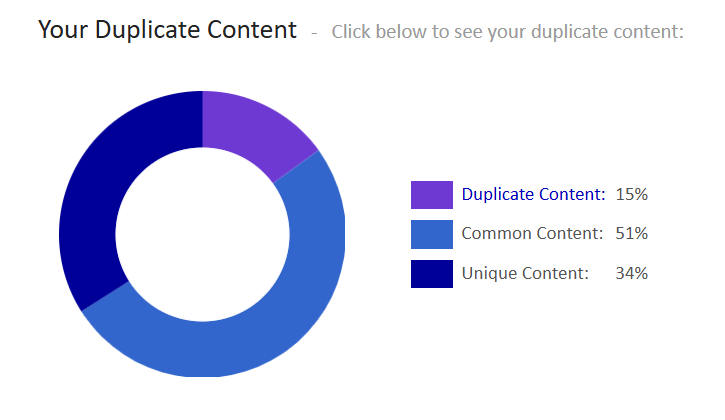
Many eCommerce websites copy product descriptions from manufacturers or reuse the same content across multiple pages.
Why it’s a problem:
Search engines struggle to decide which page to rank, leading to:
- Lower rankings
- Reduced visibility
- Possible penalties
Fix:
- Write unique product descriptions
- Add value-driven content (benefits, use cases, FAQs)
- Use semantic keywords naturally
3. Poor Category Page Optimization
Category pages are often ignored, but they are powerful SEO assets.
Common mistakes:
- Thin content
- No keyword targeting
- Poor internal linking
Impact:
Category pages can rank for high-volume keywords. Ignoring them means missing major traffic opportunities.
Fix:
- Add intro content (100–200 words)
- Optimize title tags and meta descriptions
- Use filters carefully to avoid duplicate URLs
4. Slow Website Speed
Page speed is critical for both SEO and user experience.
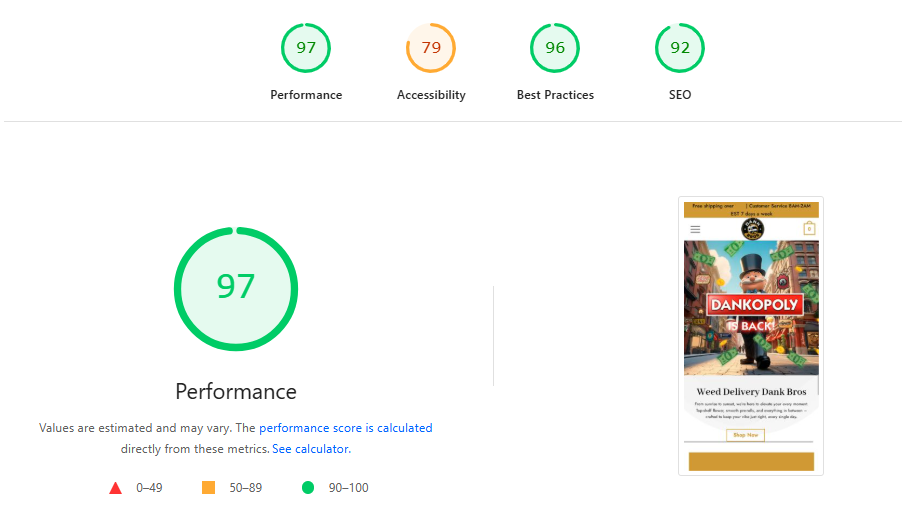
Why it matters:
- Slow sites increase bounce rate
- Users abandon carts
- Google ranks fast sites higher
Fix:
- Compress images
- Use a CDN
- Minimize scripts and plugins
- Choose fast hosting
5. Poor Mobile Optimization
Most eCommerce traffic comes from mobile devices.
Mistakes:
- Unresponsive design
- Difficult navigation
- Slow mobile loading
Result:
You lose a large percentage of potential buyers.
Fix:
- Use mobile-first design
- Optimize buttons and checkout process
- Ensure fast mobile loading speed
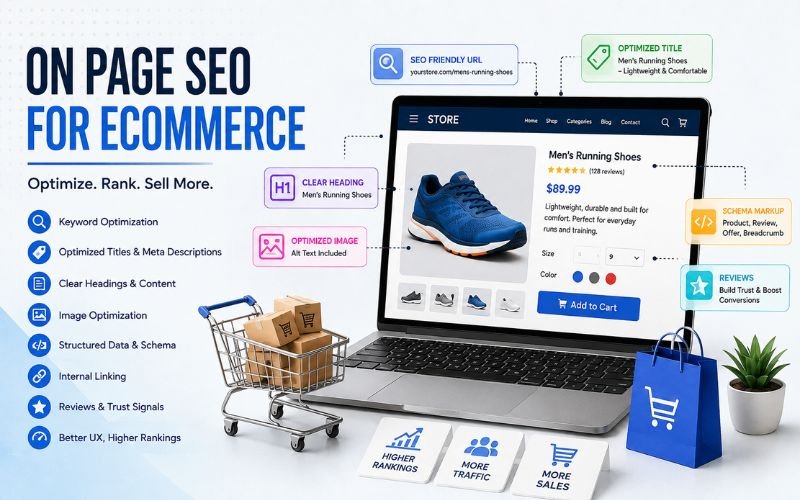
6. Missing or Weak Product Page SEO
Product pages are where conversions happen, yet many are poorly optimized.
Common issues:
- Missing meta titles/descriptions
- No structured data
- Poor product descriptions
Fix:
- Write compelling meta titles with keywords
- Add schema markup (Product, Review)
- Include high-quality images and alt text
7. Not Using Internal Linking Properly
Internal linking helps search engines understand your site structure and improves user navigation.
Mistakes:
- No links between related products
- Missing links from blogs to product pages
Fix:
- Link related products and categories
- Use anchor text with keywords
- Guide users through the buying journey
8. Ignoring Technical SEO Issues
Technical SEO is the backbone of your website.
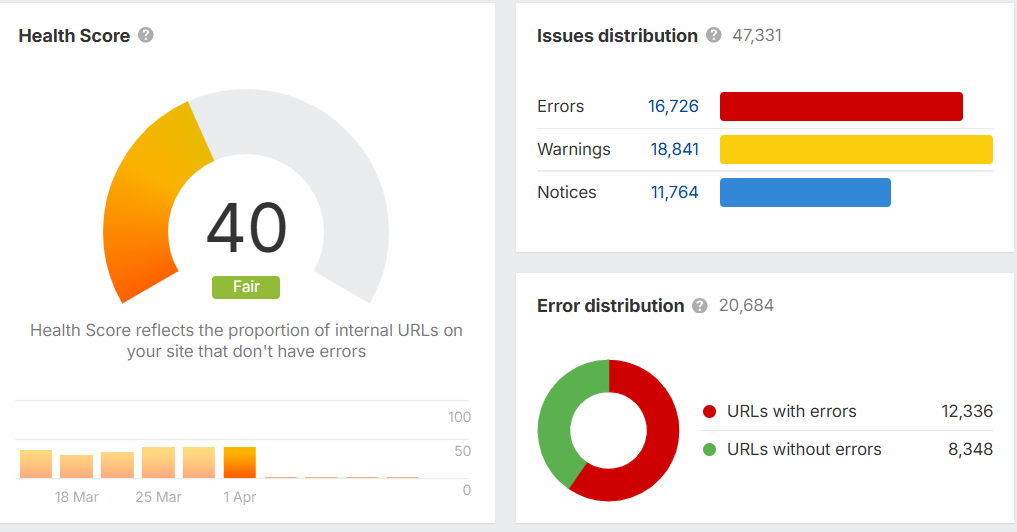
Common problems:
- Broken links
- Missing canonical tags
- Incorrect indexing
Impact:
Search engines may not crawl or index your pages properly.
Fix:
- Regularly audit your site
- Fix crawl errors
- Use proper canonical tags
- Ensure sitemap and robots.txt are optimized
9. Poor URL Structure
Messy URLs confuse both users and search engines.
Example:
❌ /product?id=12345
✅ /mens-running-shoes-nike
Fix:
- Use clean, keyword-rich URLs
- Keep them short and readable
- Avoid unnecessary parameters
10. Not Optimizing for Voice and Semantic Search
Search behavior is evolving. People now use voice search and conversational queries.
Mistake:
Only targeting exact keywords instead of semantic variations.
Fix:
- Use natural language keywords
- Include question-based phrases
- Add FAQ sections
11. Weak or No Content Strategy
Many eCommerce sites focus only on products and ignore content marketing.
Why this is a mistake:
Content helps you:
- Rank for informational keywords
- Build trust
- Drive organic traffic
Fix:
- Create blogs, guides, and comparisons
- Target top-of-funnel keywords
- Link content to product pages
12. Ignoring User Experience (UX)
SEO is not just about rankings—it’s about conversions.
UX mistakes:
- Complicated checkout
- Poor navigation
- No trust signals
Fix:
- Simplify checkout process
- Add reviews and testimonials
- Improve navigation and design
Final Thoughts
eCommerce SEO is not a one-time task—it’s an ongoing process. Small mistakes can silently reduce your traffic and revenue over time. By fixing these common issues, you can improve visibility, attract qualified traffic, and increase conversions.
If you want sustainable growth, focus on user intent, technical health, and high-quality content. That’s where real results come from. If you’re looking for expert guidance, Niche SEO Agency can help you identify gaps, fix critical SEO issues, and build a strategy that drives real traffic and revenue for your eCommerce business.
FAQs
1. What is the biggest SEO mistake in eCommerce?
The biggest mistake is targeting the wrong keywords without understanding user intent, which leads to traffic without conversions.
2. How does duplicate content affect eCommerce SEO?
Duplicate content confuses search engines, lowers rankings, and reduces your chances of appearing in search results.
3. Why are category pages important for SEO?
Category pages target high-volume keywords and act as hubs that drive traffic to multiple products.
4. How often should I audit my eCommerce website?
You should perform an SEO audit at least once every 3–6 months to identify and fix issues.
5. Does website speed affect sales?
Yes, slow-loading websites increase bounce rates and cart abandonment, directly impacting sales and revenue.
6. How can content marketing help eCommerce SEO?
Content marketing attracts organic traffic, builds trust, and guides users toward making a purchase.