How We Developed an Ecommerce SEO Strategy for JW PEI
Client Overview
JW PEI is a fashion label founded in 2018. The brand focuses on contemporary fashion, combining distinctive designs, sculptural silhouettes, and vegan materials to create products for modern women.
Its ecommerce store features a range of fashion products, including handbags, shoulder bags, tote bags, crossbody bags, shoes, clothing, and accessories. With a visually driven product catalog and multiple collections, organic search can play an important role in helping shoppers discover relevant products and navigate directly to product and category pages.
The primary SEO objective was to strengthen organic search visibility, attract shoppers searching for specific fashion products, improve product discovery, and create more opportunities to generate revenue through organic traffic.
Challenges and SEO Opportunities
For an ecommerce fashion brand like JW PEI, effective SEO requires more than optimizing individual product pages. The website needs a structured approach to category optimization, product discovery, technical performance, and search intent.
The key SEO opportunities included:
- Improving visibility for non-branded searches related to handbags, shoulder bags, tote bags, and other product categories
- Targeting high-intent keywords that shoppers use when comparing styles, materials, colors, and product types
- Strengthening category and collection pages to capture broader ecommerce search demand
- Improving product titles, meta descriptions, headings, and on-page content
- Creating a stronger internal linking structure between product categories, collections, and individual products
- Reviewing technical SEO factors affecting crawling, indexing, and the discovery of important ecommerce URLs
- Optimizing product images through descriptive alt text, appropriate image formats, and performance improvements
- Improving structured data implementation to help search engines understand product information
- Identifying content opportunities around fashion trends, styling advice, and product comparisons
- Strengthening organic conversion tracking to understand how search traffic contributes to purchases and revenue
These areas form the foundation of an ecommerce SEO strategy designed to improve product visibility and connect the brand with shoppers who are actively searching for relevant fashion items.
SEO Strategy
The proposed SEO strategy focused on improving category-level visibility, strengthening product page relevance, resolving technical barriers, and connecting organic search performance with ecommerce revenue.
1. Ecommerce Keyword Research
We identified keyword opportunities across different stages of the shopping journey, from broad product discovery to searches with stronger purchase intent.
The keyword research approach focused on:
- Handbag and purse-related searches
- Shoulder bags, tote bags, crossbody bags, and clutch bags
- Product-specific searches based on style, color, material, and design
- Brand and product collection searches
- Long-tail keywords with clear shopping intent
- Informational searches related to styling, fashion trends, and product selection
Keyword mapping would assign relevant primary and secondary keywords to the most appropriate category, collection, product, or informational page.
This approach helps reduce keyword overlap and gives important ecommerce pages a clearer search focus.
2. Category and Collection Page Optimization
Category and collection pages can capture valuable non-branded traffic because they allow shoppers to explore multiple products within a particular style or category.
The optimization strategy included:
- Writing unique, search-focused title tags and meta descriptions
- Improving H1 headings and supporting heading structures
- Adding concise, useful category descriptions where appropriate
- Incorporating relevant semantic keywords naturally
- Strengthening internal links between related collections and product categories
- Reviewing category URL structures and indexability
- Improving navigation to important collections and best-selling products
The goal was to help search engines understand each category while making it easier for customers to find products that match their preferences.
3. Product Page SEO
Product pages are critical to ecommerce organic performance because they can attract shoppers searching for a specific item, style, or product feature.
The product optimization strategy focused on:
- Creating descriptive and relevant product titles
- Optimizing meta titles and descriptions around search intent
- Improving product descriptions with unique, useful information
- Using relevant product attributes, including color, material, size, and design, where applicable
- Adding descriptive image alt text
- Improving internal links to related products and collections
- Reviewing product availability and out-of-stock page handling
- Validating product structured data and relevant merchant listing information
The objective was to improve product discoverability and provide shoppers with the information they need to make informed purchasing decisions.
4. Technical SEO Improvements
Technical SEO helps search engines discover, crawl, and understand an ecommerce website’s important pages.
The recommended technical SEO work included:
- Reviewing Google Search Console indexing and crawl reports
- Auditing XML sitemaps and canonical tags
- Identifying duplicate, thin, or unnecessarily indexed URLs
- Reviewing product variants, collection filters, and parameter-based URLs
- Checking redirects and broken internal links
- Evaluating mobile usability and Core Web Vitals
- Improving image loading and page performance
- Validating product, breadcrumb, and organization structured data where appropriate
These improvements would prioritize important revenue-generating pages while reducing potential crawling and indexing inefficiencies.
5. Internal Linking and Site Architecture
A clear internal linking structure helps shoppers navigate the store and helps search engines understand the relationship between categories, collections, and products.
The strategy included:
- Linking related collections and product categories
- Connecting product pages to their relevant parent categories
- Identifying important pages that receive limited internal links
- Improving navigation to priority collections and best-selling products
- Using descriptive anchor text where it provides value
- Reviewing breadcrumb navigation and its structured data
The focus was to improve product discovery and distribute internal link equity toward commercially important pages.
6. Fashion Content Marketing
Informational content can help an ecommerce brand attract shoppers before they are ready to purchase a specific product.
Potential content opportunities included:
- How to style a shoulder bag for different occasions
- Tote bags versus shoulder bags: which style is right for you?
- How to choose a handbag for everyday use
- How to style a minimalist handbag
- Popular handbag styles and seasonal fashion trends
- How to care for vegan leather bags
Each content topic would be selected based on keyword research, search intent, and its relevance to the brand’s product catalog.
Relevant articles could link naturally to appropriate collections and products, helping readers move from informational searches to product discovery.
7. Authority Building and Digital PR
Building relevant website authority can support long-term organic visibility in a competitive fashion market.
The strategy would focus on earning relevant, editorially placed links and brand mentions through:
- Fashion and lifestyle publication outreach
- Product features and editorial gift guides
- Relevant creator and brand collaborations
- Digital PR campaigns around new collections and fashion trends
- Partnerships with appropriate fashion websites
- Monitoring backlink quality and potentially harmful link patterns
The priority would be relevance, editorial quality, and genuine brand exposure rather than acquiring large numbers of low-quality backlinks.
8. Organic Conversion and Revenue Tracking
Organic traffic growth is valuable when it contributes to meaningful business outcomes.
To measure the impact of SEO, the reporting framework would combine Google Search Console and GA4 data to monitor:
- Organic clicks, impressions, and click-through rate
- Average search position for priority keyword groups
- Organic landing page performance
- Product and category page engagement
- Add-to-cart events from organic sessions
- Ecommerce purchases and organic purchase revenue
- Conversion rate by organic landing page
- Revenue contribution from organic search over time
This would help identify which pages attract qualified shoppers, which pages need further optimization, and where improvements could have the greatest commercial impact.
Results and Performance Measurement
The success of the SEO campaign should be evaluated using verified search and ecommerce analytics data rather than rankings or traffic alone.
The following metrics should be compared across the selected reporting periods once the campaign data is available:
Organic Growth
- Organic traffic: Add the verified 500% in organic sessions.
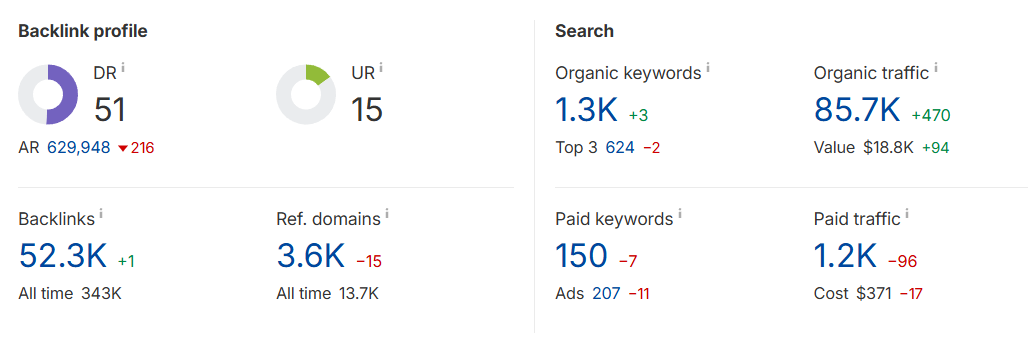
- Keyword rankings: 693 keywords ranking on Google’s first page.
- Product discovery: Measure organic landing page growth across important categories and product pages.
- Organic conversions: Report changes in purchases and ecommerce conversion rate from organic search.
- Organic revenue: Compare attributed organic purchase revenue before and after the campaign.
- Technical performance: Document completed fixes and measurable improvements in crawling, indexing, and page performance.
Business Impact
The ultimate goal is to build a stronger organic acquisition channel that helps JW PEI reach relevant shoppers, improve product discovery, and generate more ecommerce sales.
By combining keyword research, category and product optimization, technical SEO, content development, and revenue-focused reporting, the strategy creates a framework for sustainable organic growth.
Note: Add verified Google Search Console and GA4 results before publishing this as a completed campaign case study. No specific performance improvements or campaign outcomes have been claimed in this draft.