
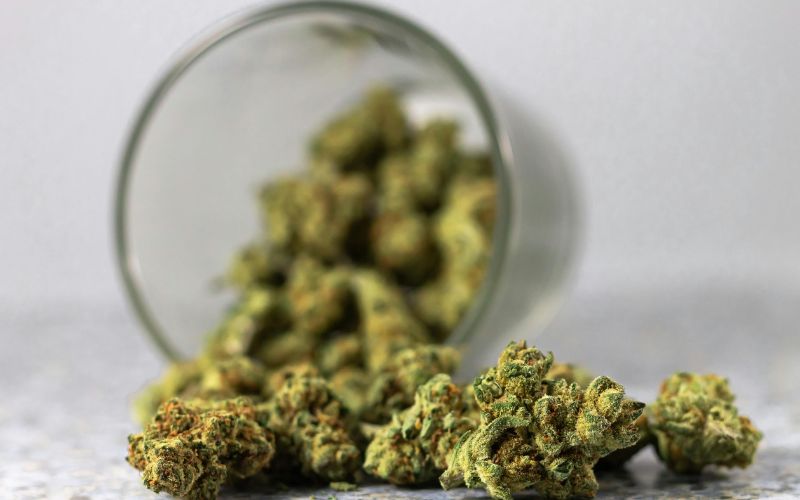
If you run a cannabis business and your website isn’t showing up on Google, you’re not alone. Dispensaries, cannabis brands, clone sellers, CBD stores, and cannabis service providers all face the same issue: no rankings, no traffic, and no real inquiries even after publishing dozens of pages.
The truth is simple but uncomfortable:
Cannabis SEO does not work the same way as normal SEO.
Most cannabis websites fail because they follow generic SEO advice that Google quietly ignores in this industry.
Let’s break down exactly why most cannabis websites don’t rank on Google, what’s holding them back, and how to fix it the right way.
1. Google Treats Cannabis Websites Differently
Cannabis falls into a restricted and high-risk category in Google’s ecosystem. That means:
- Limited ad visibility
- Extra scrutiny on content quality
- Higher trust requirements
- Slower indexing and ranking
Many website owners don’t realize this and use the same strategy they would for a clothing store or tech blog. Google expects strong expertise, legitimacy, and compliance signals from cannabis websites.
If your site doesn’t clearly show that you’re a real, trustworthy cannabis business, Google won’t rank it.
2. Weak Topical Authority (Random Blogs Don’t Work)
One of the biggest ranking killers is random content creation.
Most cannabis websites:
- Write blogs on unrelated or broad topics
- Chase high-volume keywords without intent
- Publish content with no internal structure
Google ranks websites that demonstrate topical authority, not just keywords.
For example, if you sell cannabis clones, Google wants to see:
- Clone education
- Strain-specific content
- Growing, shipping, and compliance guides
- Location-based relevance
- Internal linking between related topics
Posting one blog about “best cannabis strains” won’t move the needle.
Building a connected content ecosystem will.
3. Thin, AI-Generated, or Rewritten Content
Google has become extremely good at identifying:
- Generic AI-written blogs
- Rewritten content from competitors
- Pages created just to rank, not to help users
Most cannabis sites suffer from:
- Surface-level explanations
- Repetitive phrasing
- No real experience or insights
- No proof of expertise
If your content doesn’t answer real buyer questions, Google sees it as low value.
Helpful cannabis content should include:
- Real use cases
- Industry-specific pain points
- Clear answers, not filler
- Natural language a grower or buyer would actually use
4. No Local or Geo-Targeting Strategy
Cannabis is a location-driven industry.
A huge mistake we see:
- No location pages
- One generic service page for all areas
- No local relevance signals
If you serve Canada, a state, or a city, Google expects:
- Location-based pages
- Regional terminology
- Local intent keywords
- Clear service availability by region
Without this, Google has no reason to rank you for local or national searches.
5. Poor Technical SEO (Quietly Killing Rankings)
Many cannabis websites look fine visually but are broken underneath.
Common technical issues include:
- Slow loading speeds
- JavaScript-heavy themes
- Poor mobile usability
- Crawl errors
- Index bloat from unnecessary pages
Google won’t reward content if the foundation is weak.
Technical SEO is especially important for cannabis sites because Google already applies stricter filters.
6. Lack of Trust, E-E-A-T, and Compliance Signals
Google wants to know:
- Who owns this website?
- Are they legitimate?
- Do they understand cannabis regulations?
- Are they providing responsible information?
Most cannabis websites miss:
- Clear About pages
- Business legitimacy signals
- Real author or brand authority
- Compliance-aware messaging
Without trust, even good content struggles to rank.
7. No Conversion Strategy (Traffic Without Leads Is Useless)
Even when cannabis sites get traffic, they often fail to convert because:
- No clear calls-to-action
- Confusing messaging
- No lead capture strategy
- No education-to-conversion flow
Google indirectly measures engagement.
If users bounce quickly, rankings drop.
SEO isn’t just about rankings—it’s about keeping users engaged.
Benefits of Doing Cannabis SEO the Right Way
When cannabis SEO is done correctly, you get:
- Consistent organic traffic
- Qualified cannabis buyers
- Reduced dependence on paid ads
- Long-term brand authority
- Higher trust with Google and users
- Sustainable lead generation
Most importantly, you stop guessing and start building assets that compound over time.
Why Choose Niche SEO Agency for Cannabis SEO?
At Niche SEO Agency, we don’t apply generic SEO templates to cannabis businesses.
We understand:
- Cannabis-specific ranking challenges
- Restricted industry limitations
- Buyer intent in cannabis markets
- Compliance-aware content strategies
What makes us different:
- Cannabis-only SEO experience
- Topical authority content frameworks
- Location-based SEO strategies
- Conversion-focused page structures
- Real human-written content (not AI filler)
We focus on rankings that bring inquiries, not vanity traffic.
FAQs
Why is cannabis SEO harder than normal SEO?
Because cannabis is a restricted niche. Google requires higher trust, deeper expertise, and stronger relevance signals compared to regular industries.
Can cannabis websites rank without paid ads?
Yes. Organic SEO is one of the most reliable channels for cannabis businesses when done correctly.
How long does cannabis SEO take to show results?
Typically 3–6 months for visible movement, depending on competition, site health, and content depth.
Do location pages really help cannabis SEO?
Absolutely. Cannabis searches are highly local and regional. Location-focused pages improve relevance and ranking potential.
Is AI content bad for cannabis SEO?
Generic AI content is risky. Google favors original, experience-based, human-written content—especially in regulated niches.